The six major types of tea in China have significant differences in ingredients and efficacy due to varying degrees of fermentation and production processes. Specific details are as follows, making it convenient to choose according to one’s own constitution and needs:
green tea
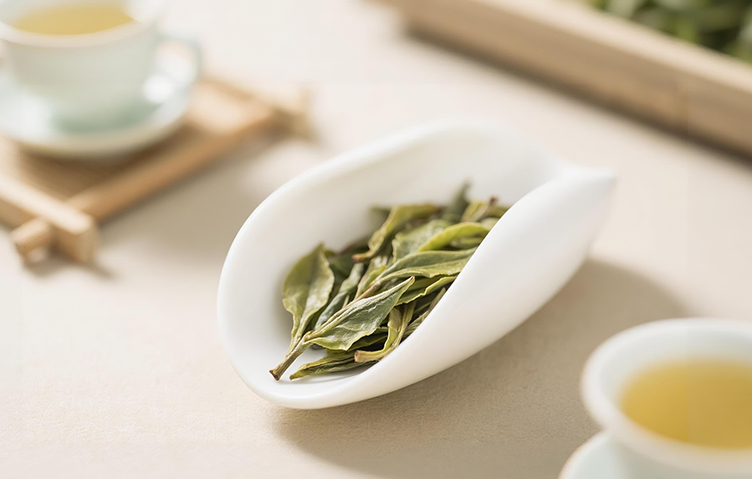
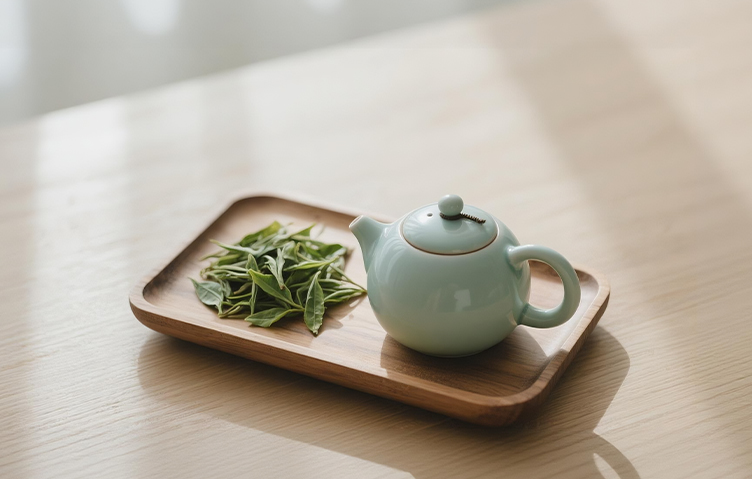
As a non fermented tea, it maximally preserves the natural components of fresh leaves, with core benefits centered around tea polyphenols and caffeine. Not only can it eliminate free radicals and delay cell aging, which is beneficial for skin maintenance, but it can also clear heat and relieve summer symptoms such as dry mouth and tongue, red eyes, swelling and pain caused by excessive heat; The caffeine in it can quickly refresh and improve attention, making it suitable for office workers and students to drink. In addition, tea polyphenols can inhibit fat synthesis and absorption, assist in lipid-lowering and weight loss, and fluoride can also strengthen teeth and prevent dental caries.
black tea
The fully fermented process converts tea polyphenols into theaflavins and thearubigins, resulting in milder properties. Its outstanding function is to nourish and protect the stomach, forming a protective film on the surface of the gastric mucosa, reducing external stimuli, and adapting to people with weaker gastric function; The characteristic of warmth in nature enables it to promote blood circulation, warm the body and drive away cold, making it a suitable tea drink in winter. Its refreshing effect is mild and long-lasting, and it is rich in amino acids, vitamins, etc., which can help enhance immunity and reduce the risk of cardiovascular disease.
Oolong tea
As a semi fermented tea, it combines the freshness of green tea with the richness of black tea, with fat reduction being its core advantage. The components in tea can stimulate lipase activity, promote fat breakdown metabolism, and have a certain effect on reducing abdominal fat accumulation, which is very suitable for people with greasy diets. Meanwhile, the antioxidant substances it contains can delay skin aging and reduce melanin production; Moderate caffeine content can not only refresh the mind and improve work efficiency, but also has a unique aroma that can relieve stress, improve mood, and have a certain auxiliary effect on regulating blood sugar.
white tea
Micro fermentation and simple production process retain a large amount of natural nutrients. Flavonoids have significant effects in clearing heat, reducing inflammation, and lowering fire, and can alleviate symptoms such as sore throat and oral ulcers. They are suitable for people who often stay up late and have spicy and easily inflamed diets. It can also help detoxify the liver, reduce liver burden, and have a certain protective effect on the body of smokers and drinkers. It is worth mentioning that aged white tea accumulates more beneficial ingredients, has milder properties, and has higher health value.
Yellow Tea
After light fermentation and “yellowing” treatment, the properties are calm and slightly warm, with the core effect focused on regulating the spleen and stomach. The digestive enzymes in it can promote digestion, enhance appetite, improve digestive problems and loss of appetite, and are mild without stimulating the spleen and stomach. In addition, the nutrients it contains can reduce cholesterol and triglycerides in the blood, help prevent cardiovascular disease, and also have certain antioxidant and radiation protection effects, suitable for people who have long-term exposure to electronic devices.
dark tea
As a post fermented tea, it is rich in tea polysaccharides and tea polyphenols, making it a great choice for reducing cholesterol and relieving greasiness. It can inhibit fat absorption and promote fat breakdown, making it very suitable for people with phlegm dampness obesity. It is warm in nature and can digest food and dissolve accumulation, especially suitable for drinking after consuming large fish and meat to relieve gastrointestinal burden; At the same time, tea polysaccharides can also assist in lowering blood sugar, while tea polyphenols can help regulate blood lipids and blood pressure, which is beneficial for people with “three highs”. In addition, black tea has the effects of dispelling dampness, resolving phlegm, lowering blood lipids, and promoting bowel movements, making it suitable for people with weak spleen and stomach function and heavy dampness in the body.
What are the specific benefits of different types of tea?